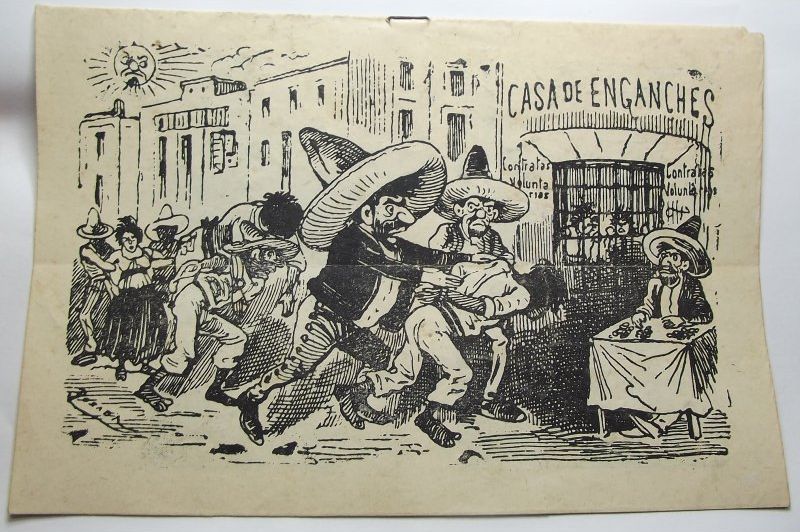
I · Aguascalientes, 1852
A lithographer's apprentice
José Guadalupe Posada was born in 1852 in the San Marcos neighborhood of Aguascalientes. At eighteen he joined the workshop of the lithographer José Trinidad Pedroza as an assistant, where he learned drawing, lithography and engraving.
In 1872 he went with him to León, Guanajuato. There they opened a press that made religious prints, labels and commercial work. In 1875 he married María de Jesús Vela.
Photograph, around 1900
II · Mexico City, 1889
The Vanegas Arroyo workshop and Manuel Manilla
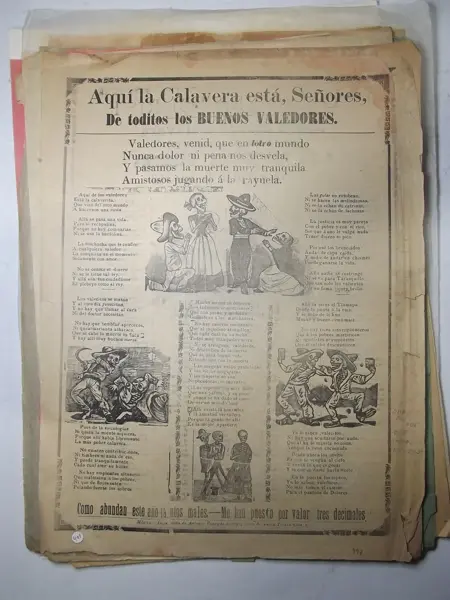
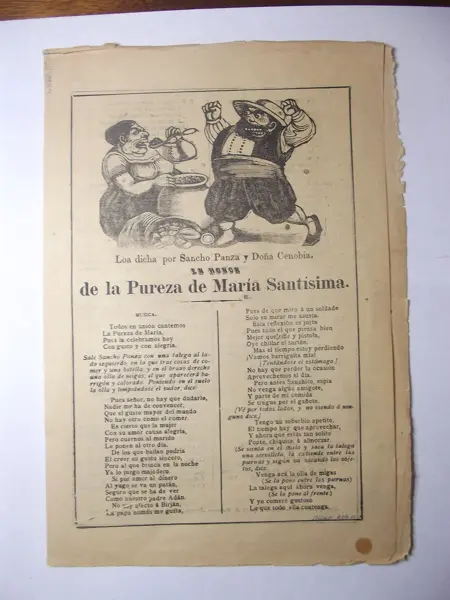
After the León flood of 1888, Posada settled in the capital. The following year he began working for the publisher Antonio Vanegas Arroyo, whose press sold broadsides, corridos, prayers, songbooks and news of crimes and miracles for a few cents.
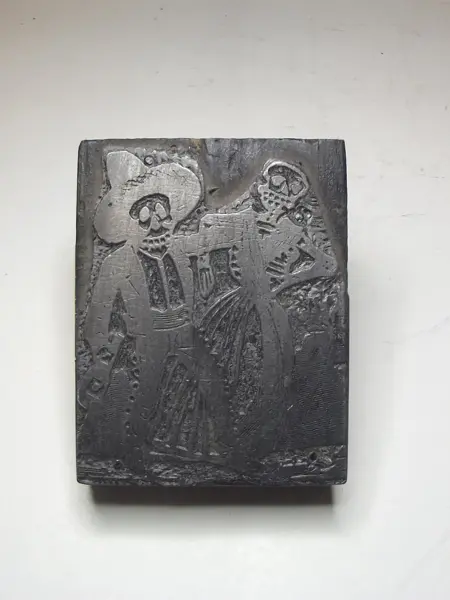
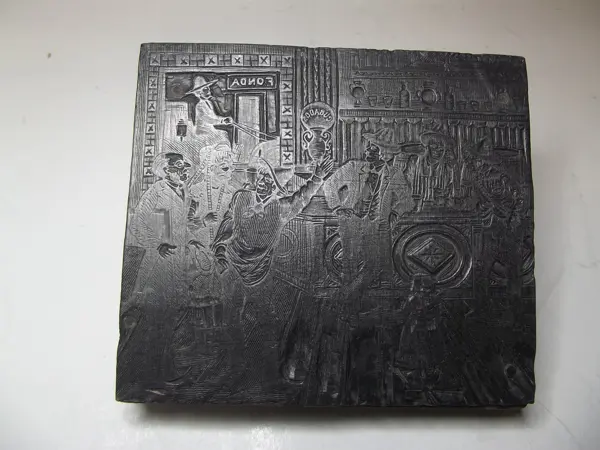
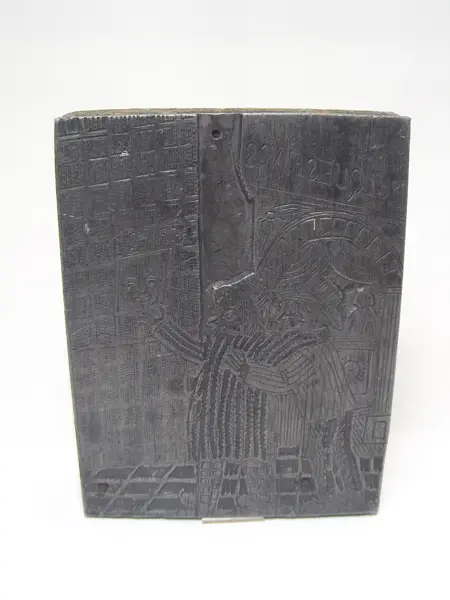
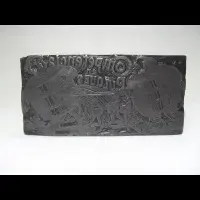
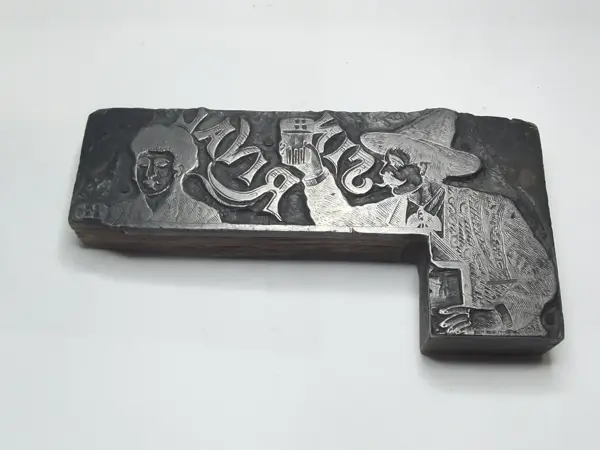
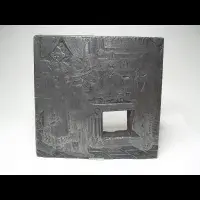
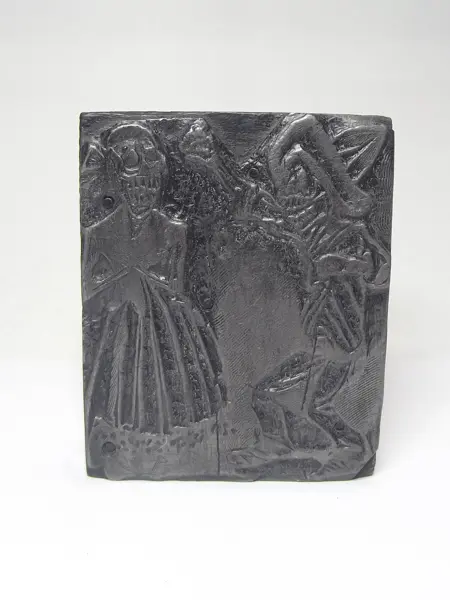
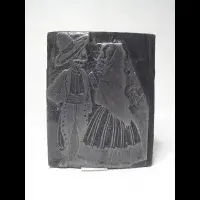
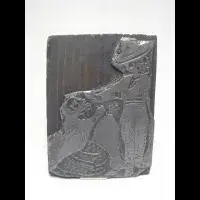
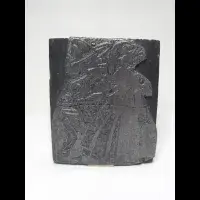
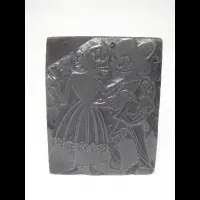
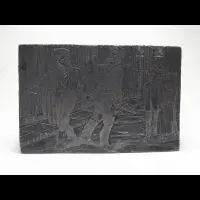
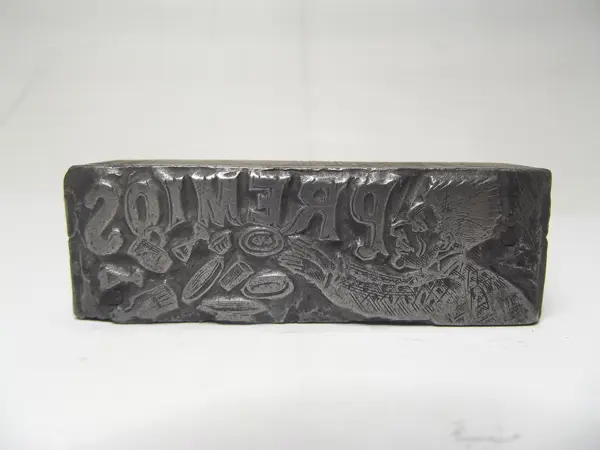
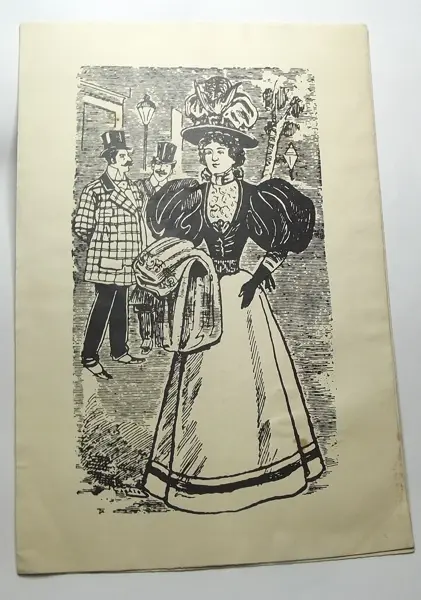
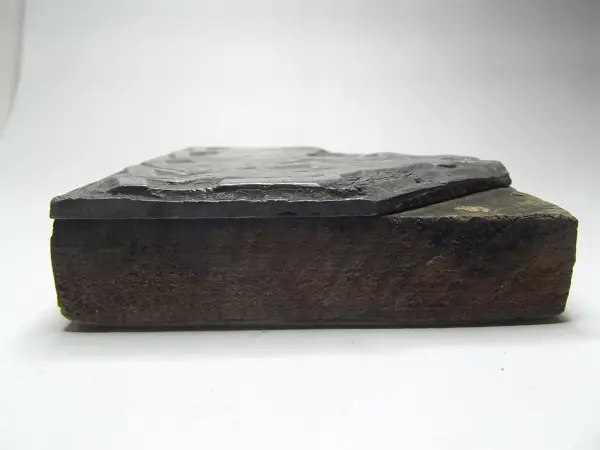
Manuel Manilla was already working in that shop. He had been the house engraver since 1882, and for a decade his bulls, devils, water carriers and calaveras filled Vanegas Arroyo's broadsides. Manilla engraved with a burin on metal plates, a fast and cheap technique that allowed the image to be printed together with the text.
From him Posada took the craft and much of his repertoire: the calavera dressed as a living person, the popular scene and the illustrated news story. They worked together in the shop for a few years; around 1892 Manilla retired and Posada became the house's main engraver.
Manuel Manilla · View record
José Guadalupe Posada · View record
III · Day of the Dead
The calaveras
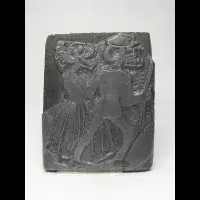
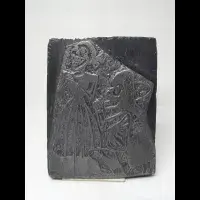
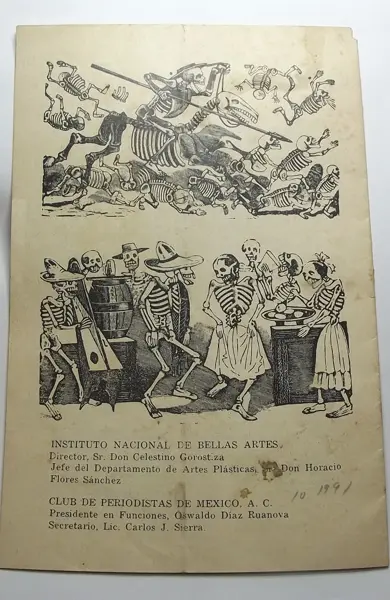
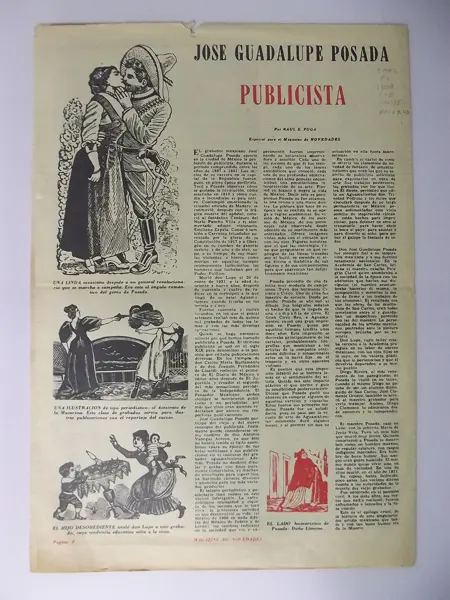
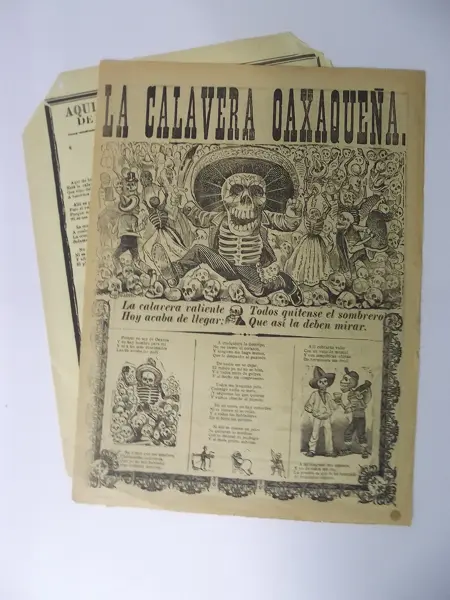
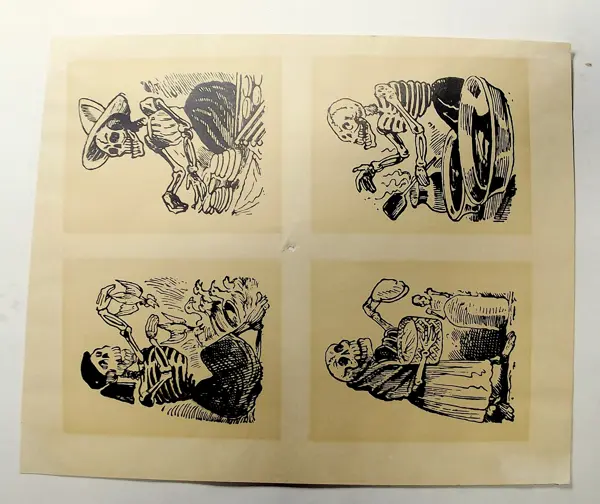
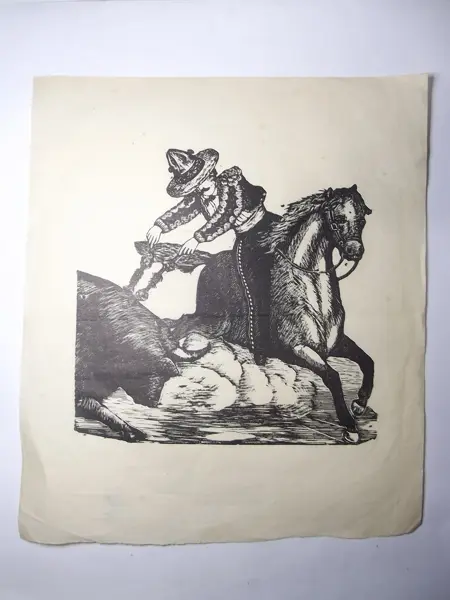
For more than twenty years, Posada illustrated thousands of broadsides. His calaveras dance, drink, show off and fall in love: dandies, soldiers, cooks, publishers and politicians turned into bones. Through them he reminded us that death makes everyone equal.
Around 1912 he engraved the Calavera Garbancera, which decades later Diego Rivera dressed and named La Catrina.
José Guadalupe Posada · View record
José Guadalupe Posada · View record
January 20, 1913
He died poor and nearly forgotten; ten years later, his plates became the origin of modern Mexican printmaking.
IV · Death and rediscovery
From oblivion to recognition
Posada died in Mexico City on January 20, 1913 and was buried in a sixth-class grave. In the 1920s the painter Jean Charlot rediscovered his plates, and artists such as Diego Rivera and Leopoldo Méndez recognized him as the father of modern Mexican printmaking.
Manilla took longer to receive credit: many of his images were attributed to Posada for years.
- 1852Born in AguascalientesSan Marcos neighborhood.
- 1870Apprentice to Trinidad PedrozaLearns drawing, lithography and engraving.
- 1872León, GuanajuatoOpens a press for prints and labels with Pedroza.
- 1882Manilla at Vanegas ArroyoManuel Manilla becomes the house engraver.
- 1889Posada joins the workshopBegins working with Antonio Vanegas Arroyo.
- 1892The handoverManilla retires; Posada becomes the main engraver.
- 1912The Calavera GarbanceraThe figure that would later become La Catrina.
- 1913Dies in Mexico CityJanuary 20, poor and nearly forgotten.
- 1947Diego Rivera names herThe Garbancera becomes Catrina in the Alameda mural.