The collection
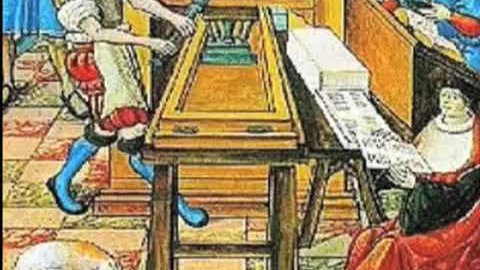
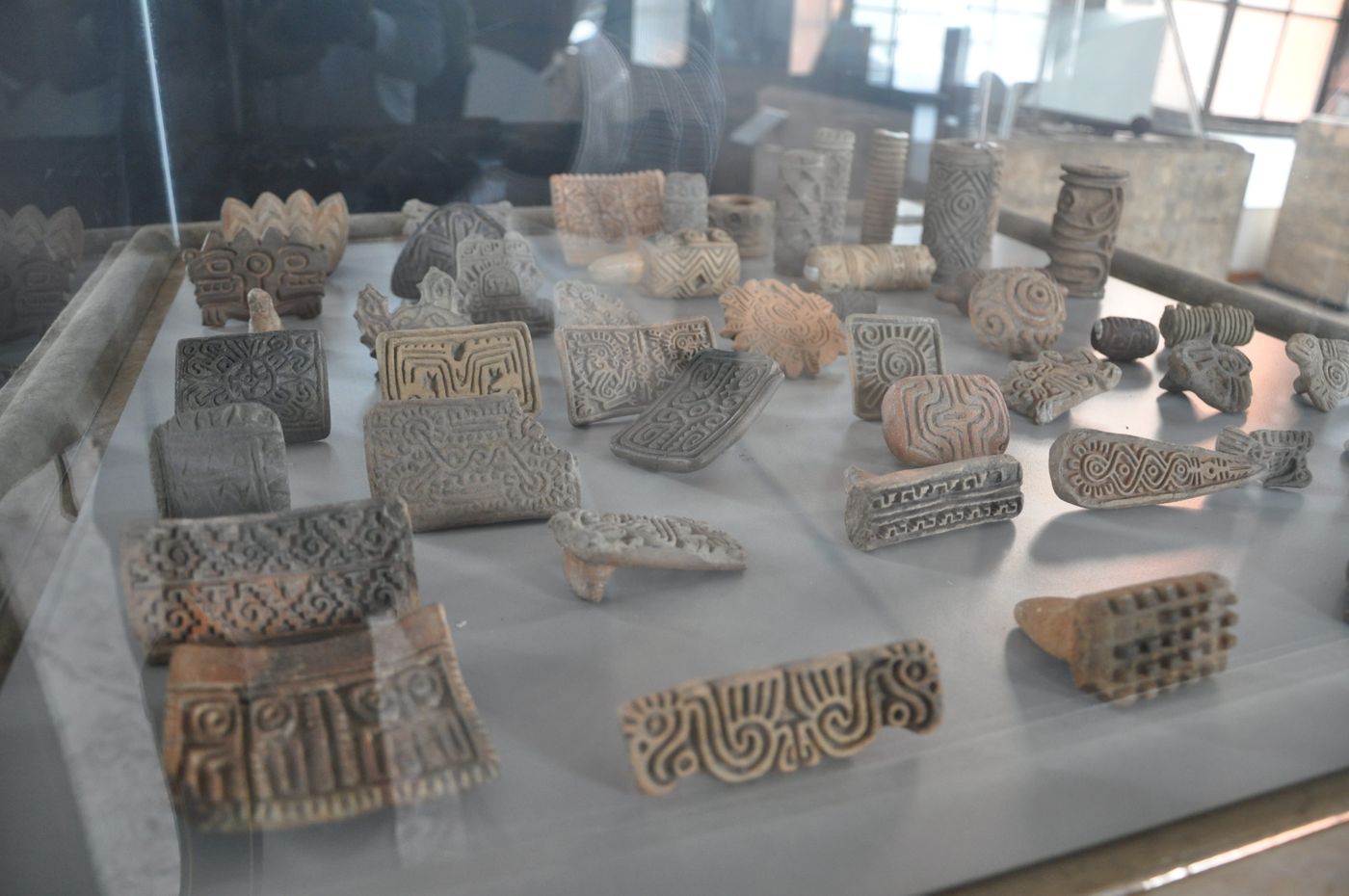
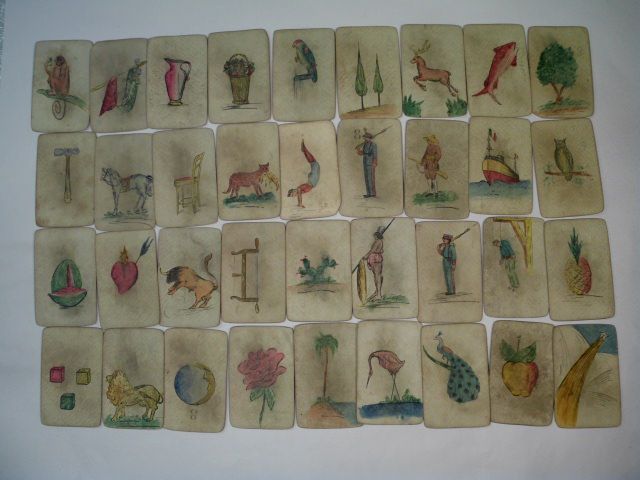
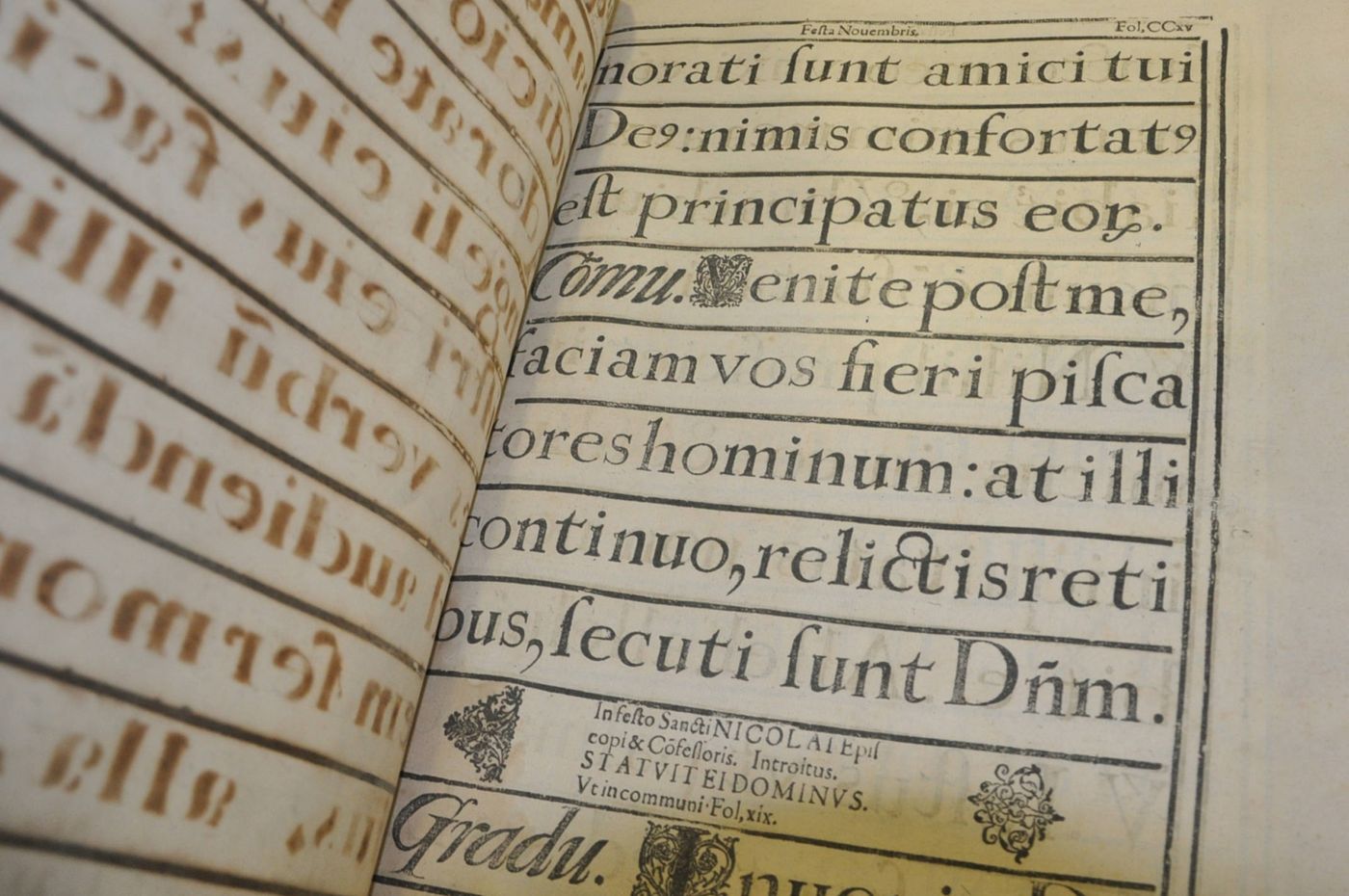
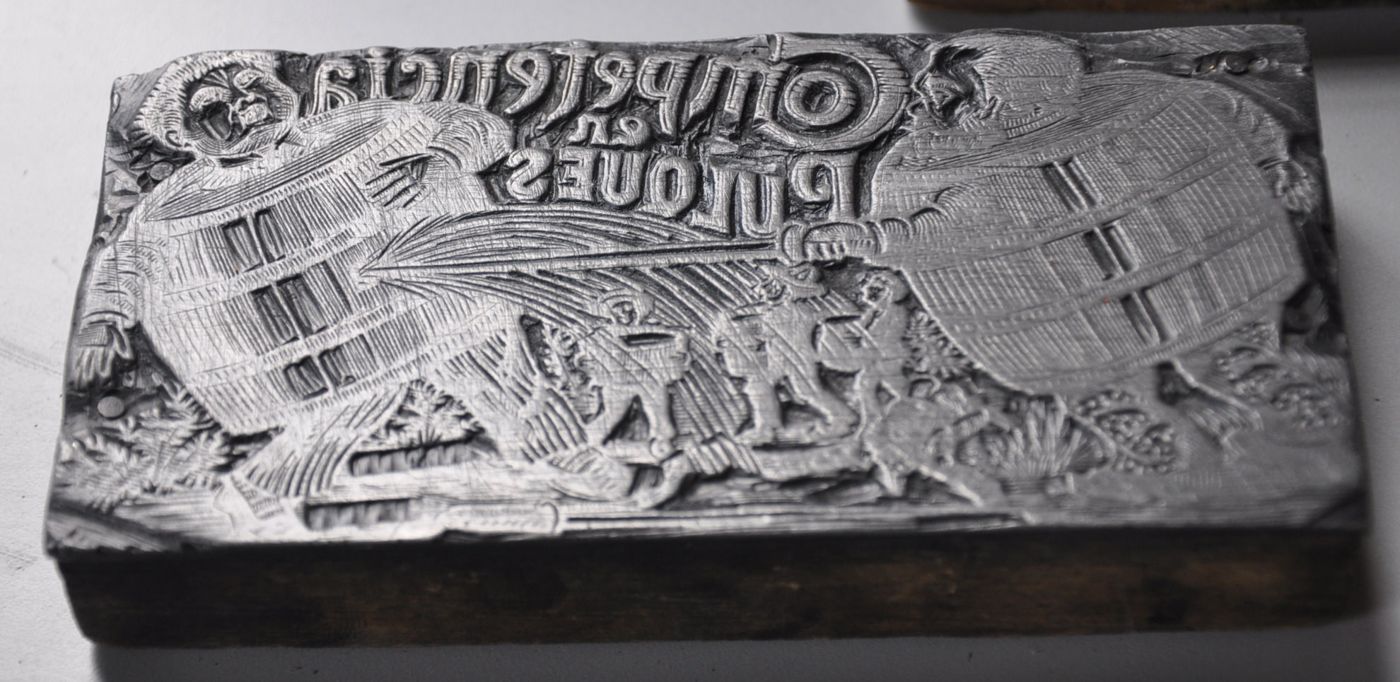
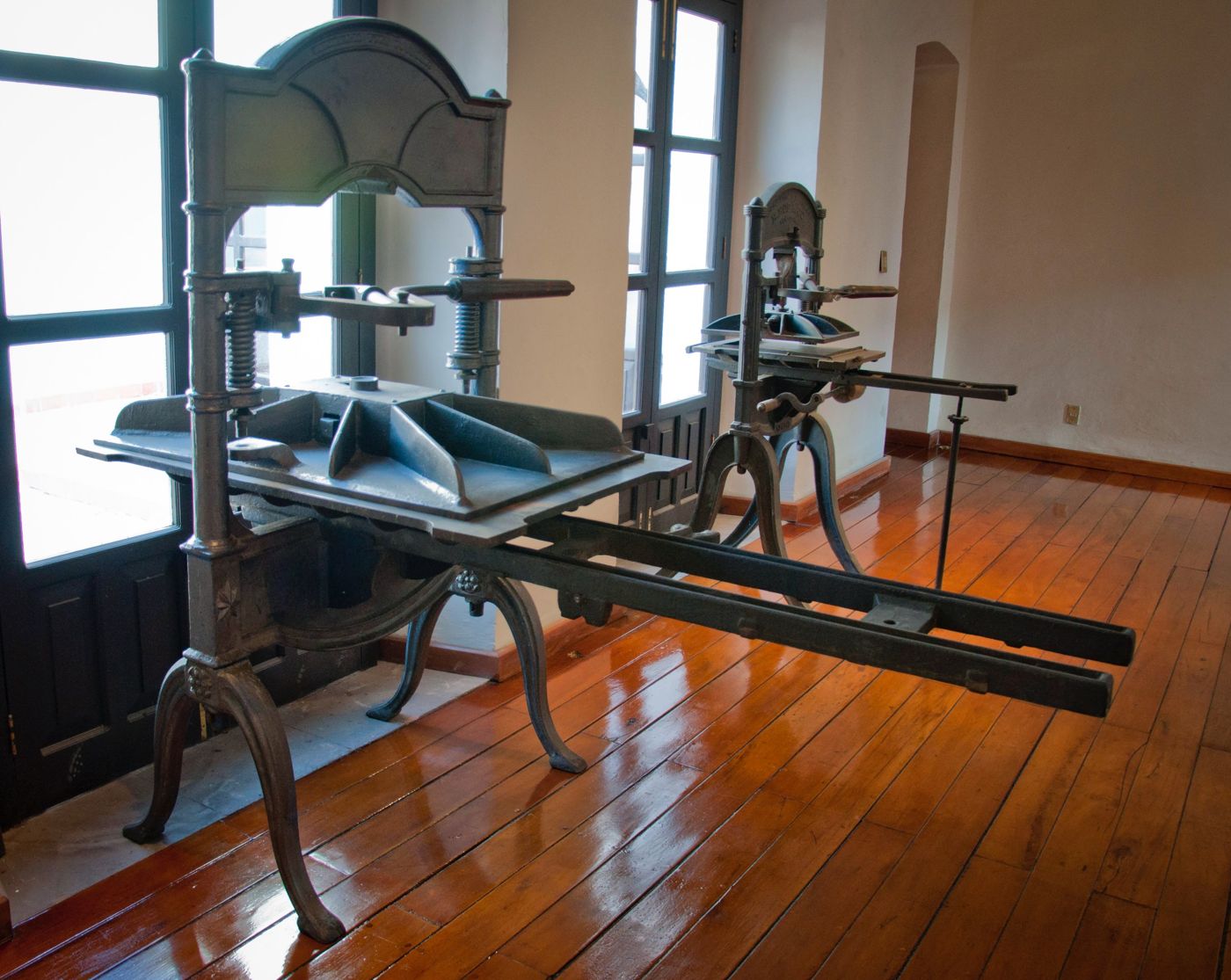
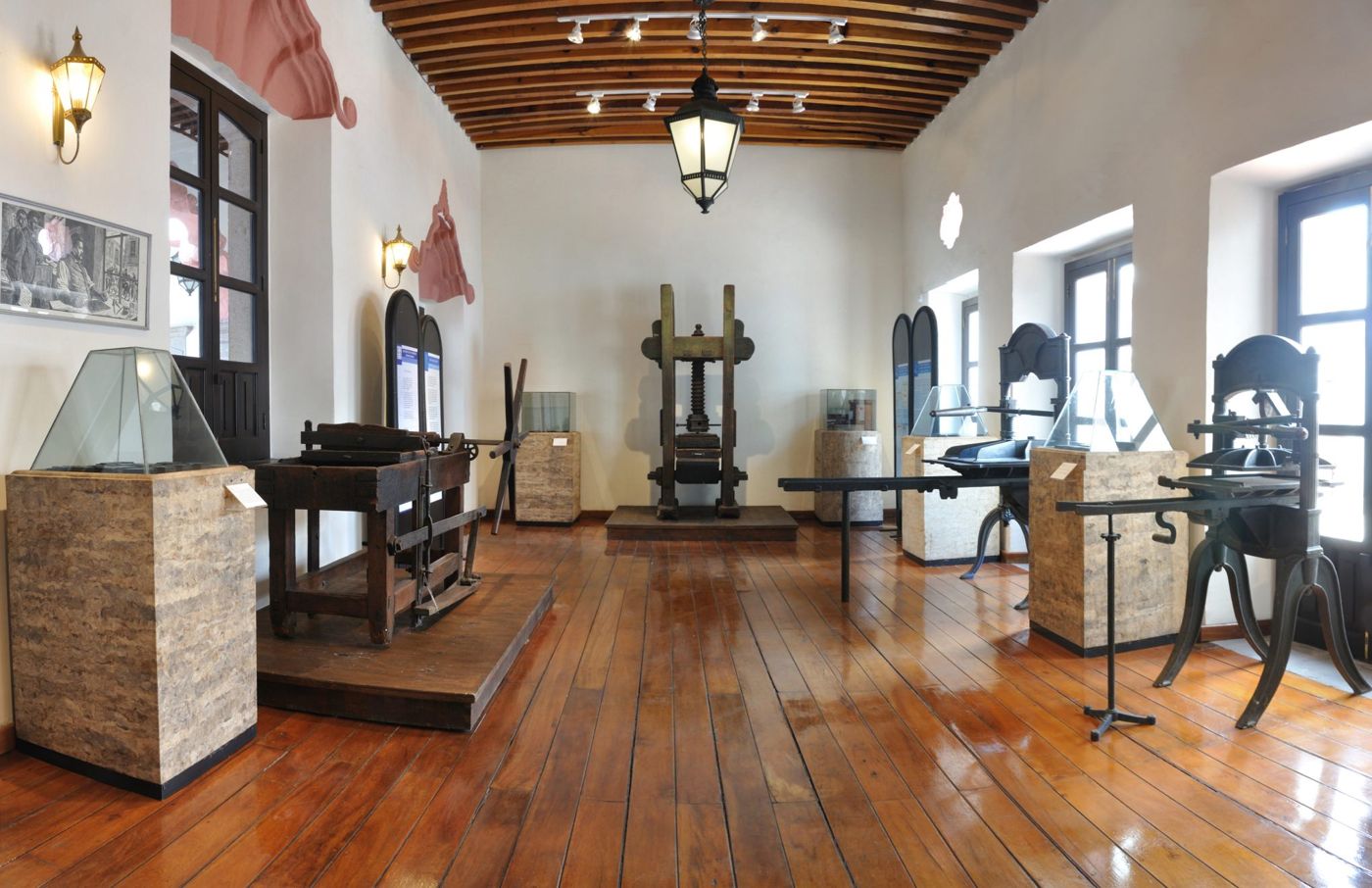
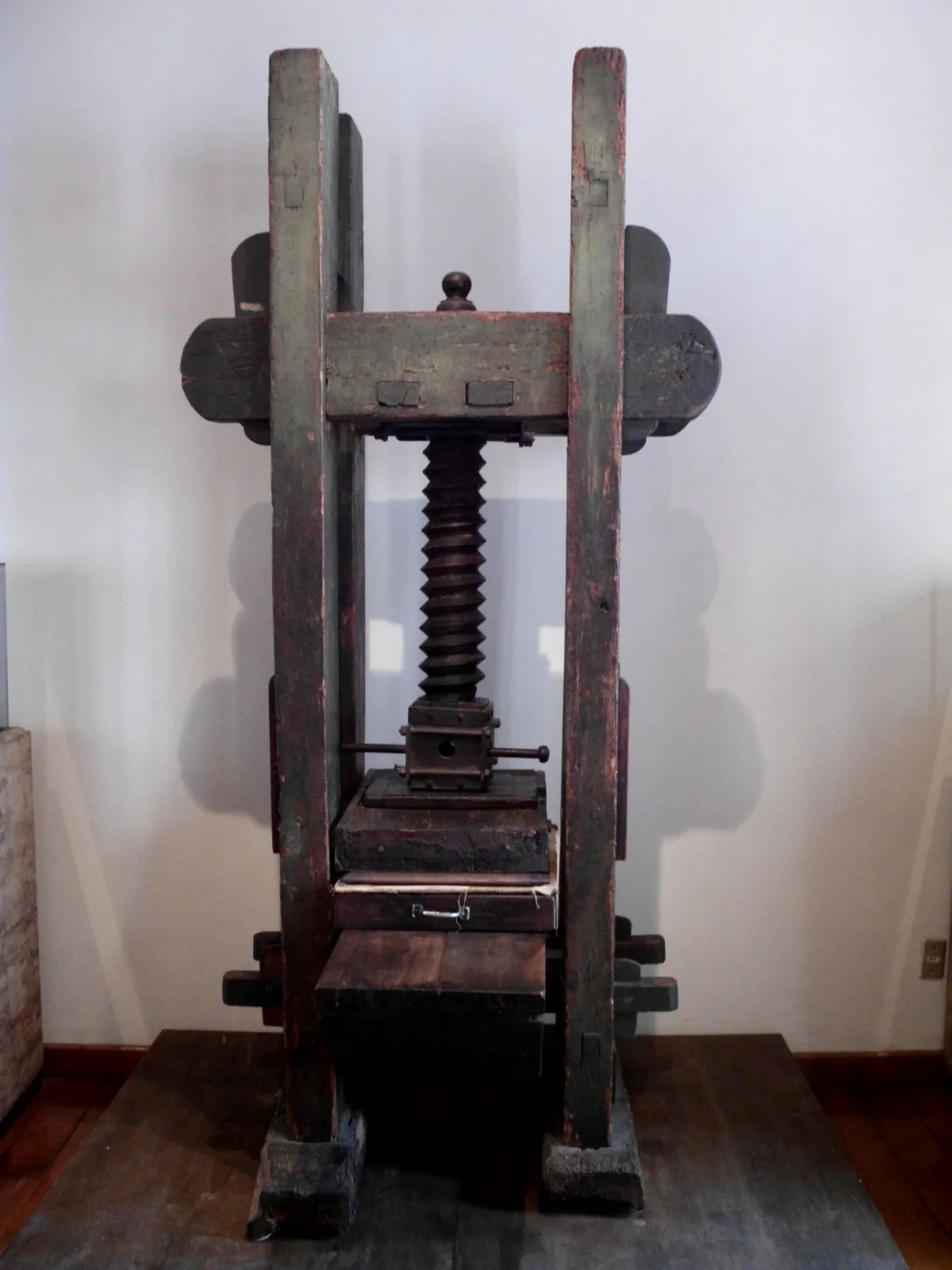
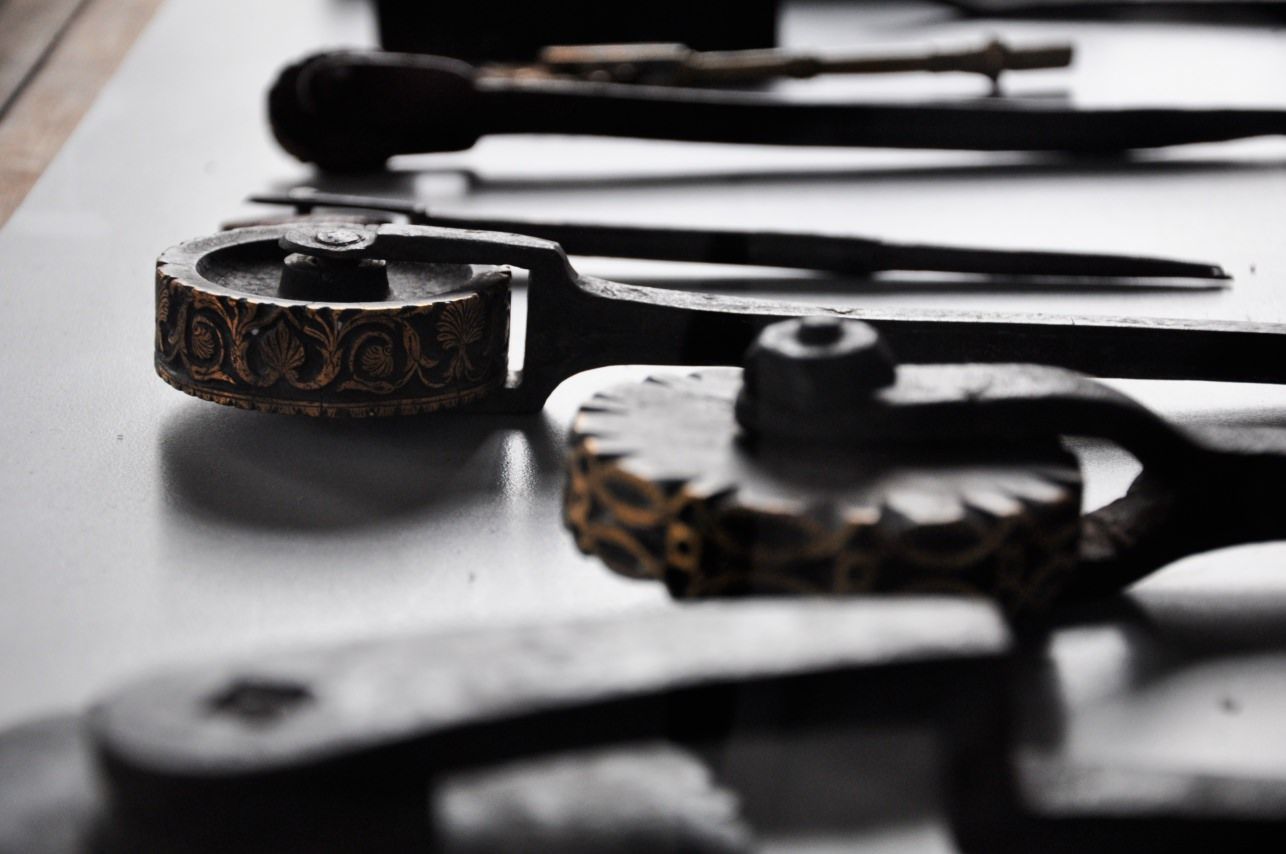
Its holdings include presses, decks of playing cards, book covers, books, lead engravings, brass engravings, metal type, pre-Hispanic stamps, pre-Hispanic pieces, gilding tools, bronze stamps, woodblocks and printed matter, among others.
Tour
The rooms
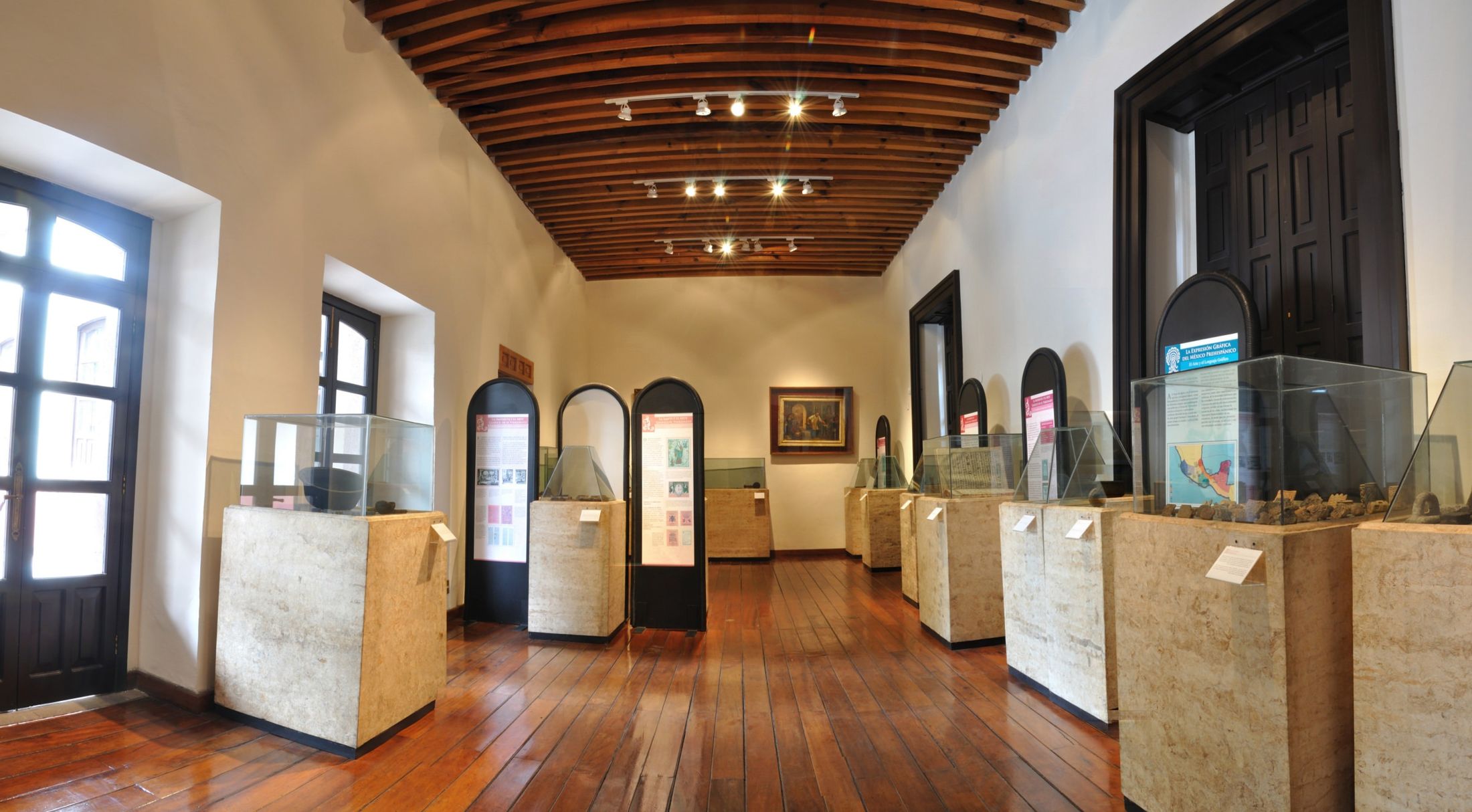
Seven periods of the graphic history of the Americas in Mexico: from the pre-Hispanic clay stamp, through the first printing press to reach Mexico, that of Juan Pablos, to the engravings of Manuel Manilla and José Guadalupe Posada.
Printed on paper · Porfiriato
Special section
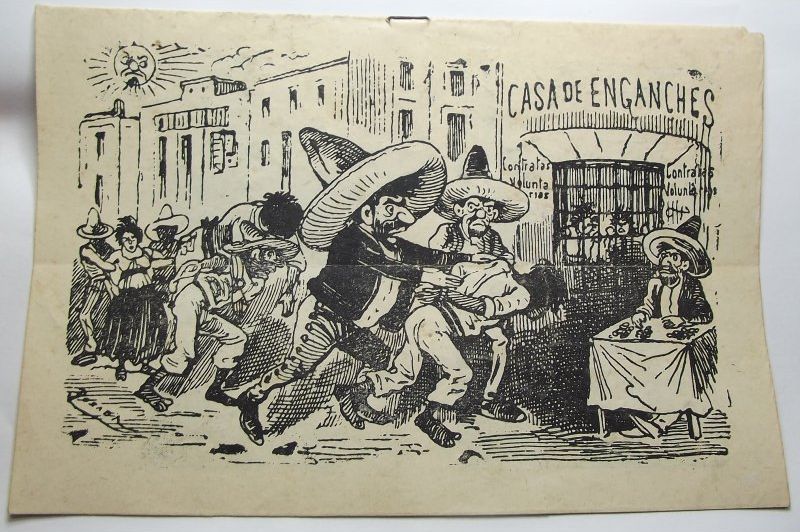
José Guadalupe Posada
Mexico's most important engraver, who gave shape to the Mexican calavera (the Catrinas). Original lead plates and prints of everyday life in the Porfiriato, alongside work by Manuel Manilla, his mentor, both pioneers of the graphic arts in Mexico.
Read his storyFrom the collection
Featured pieces
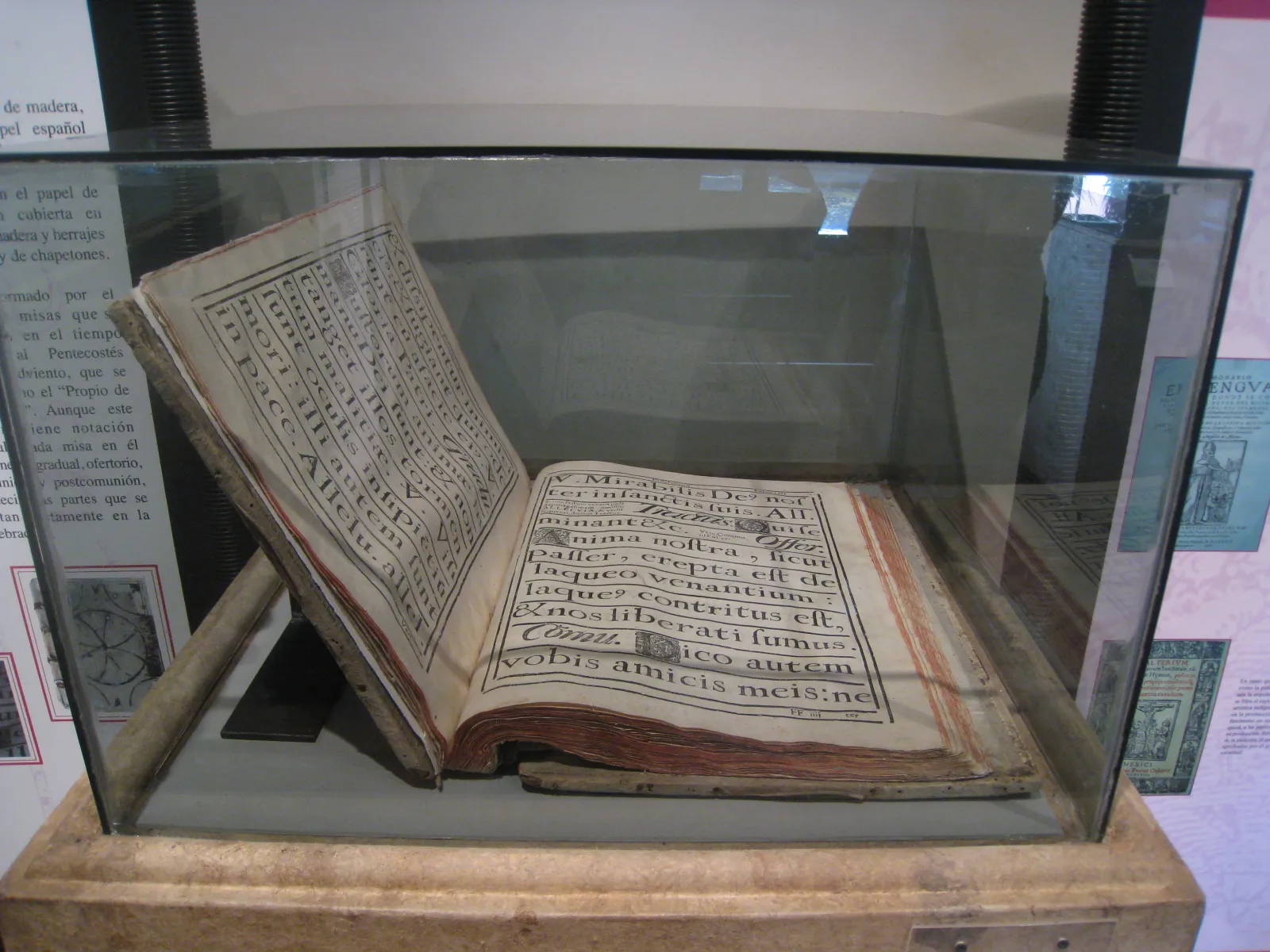
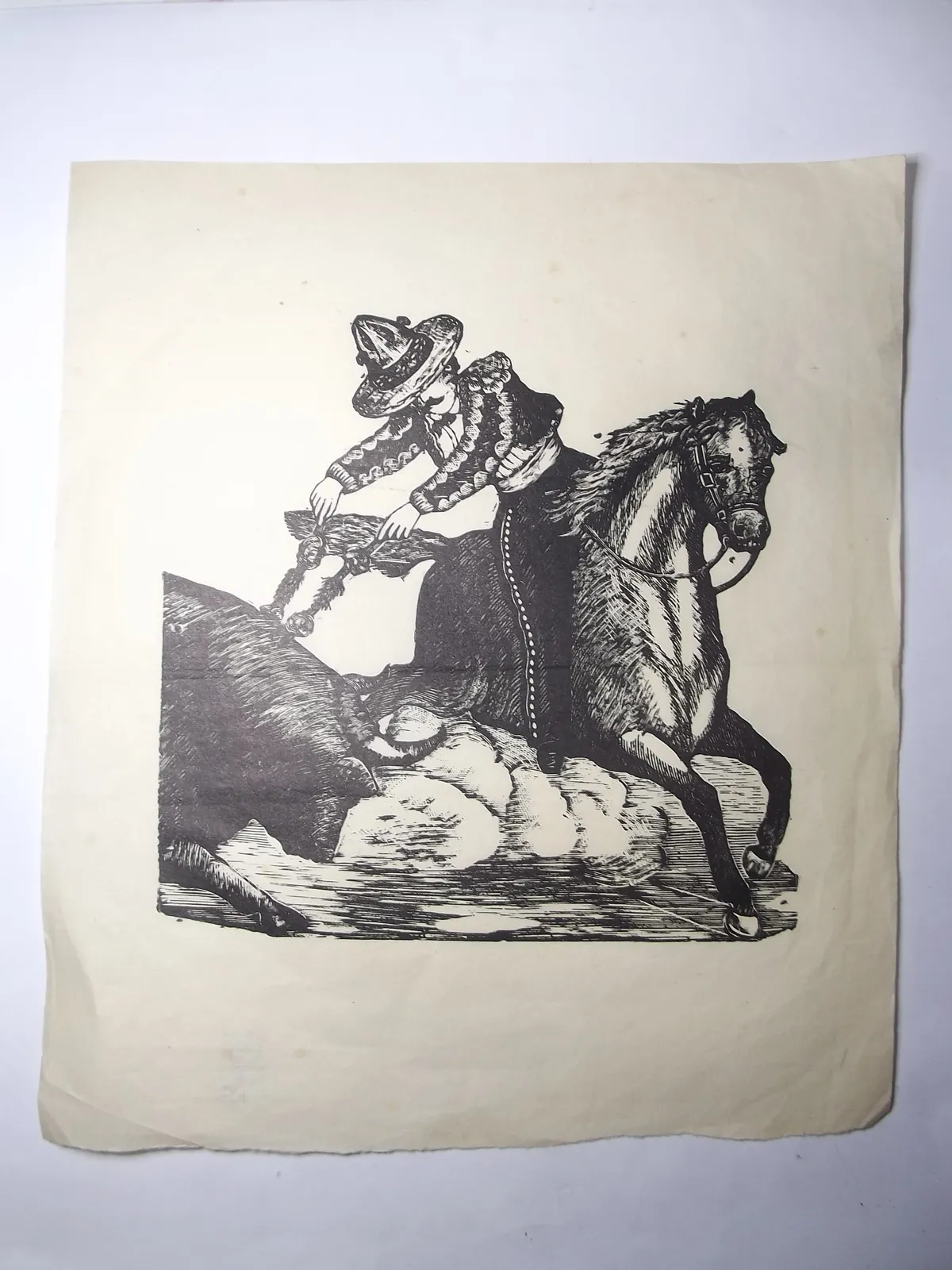
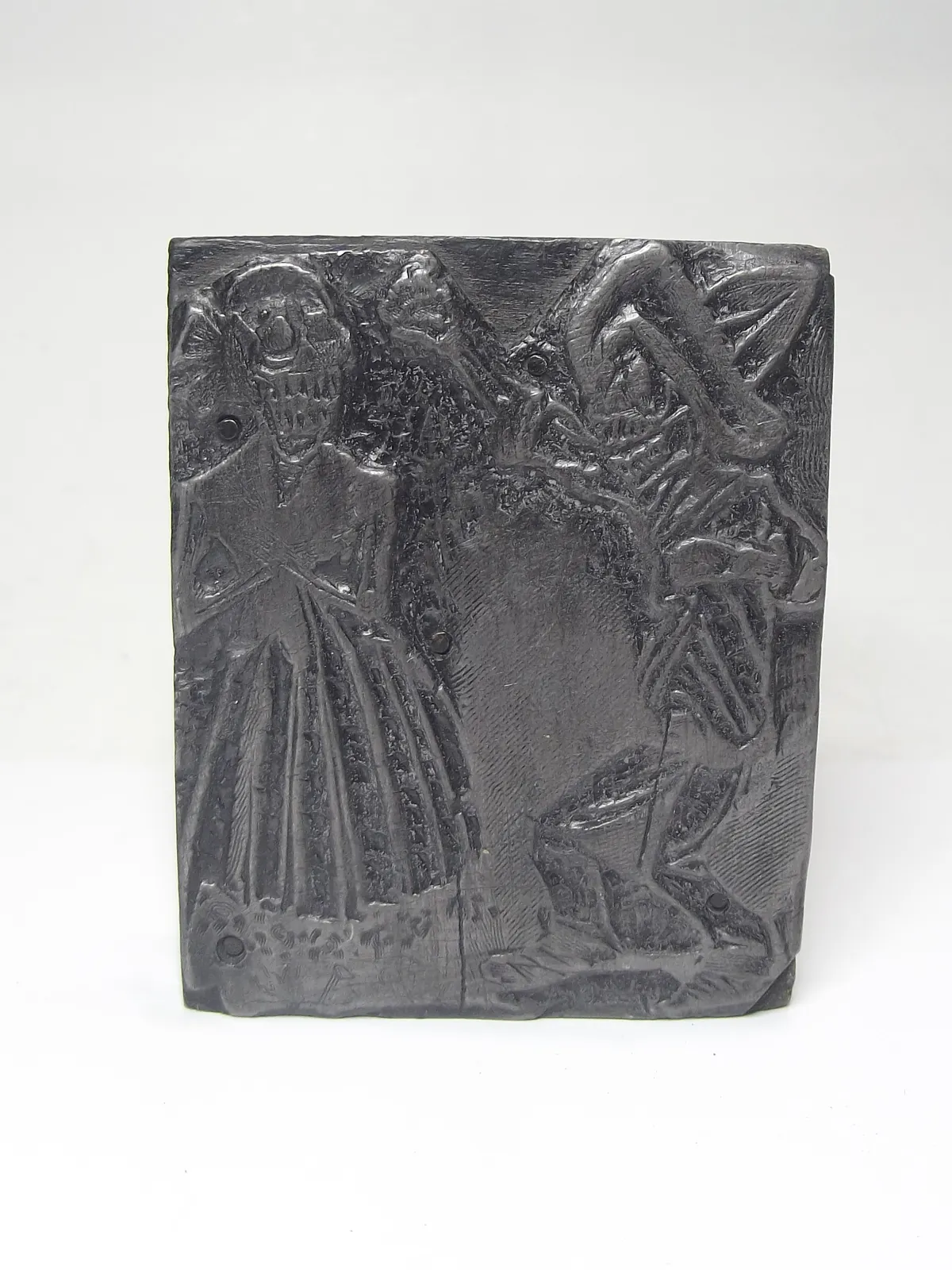
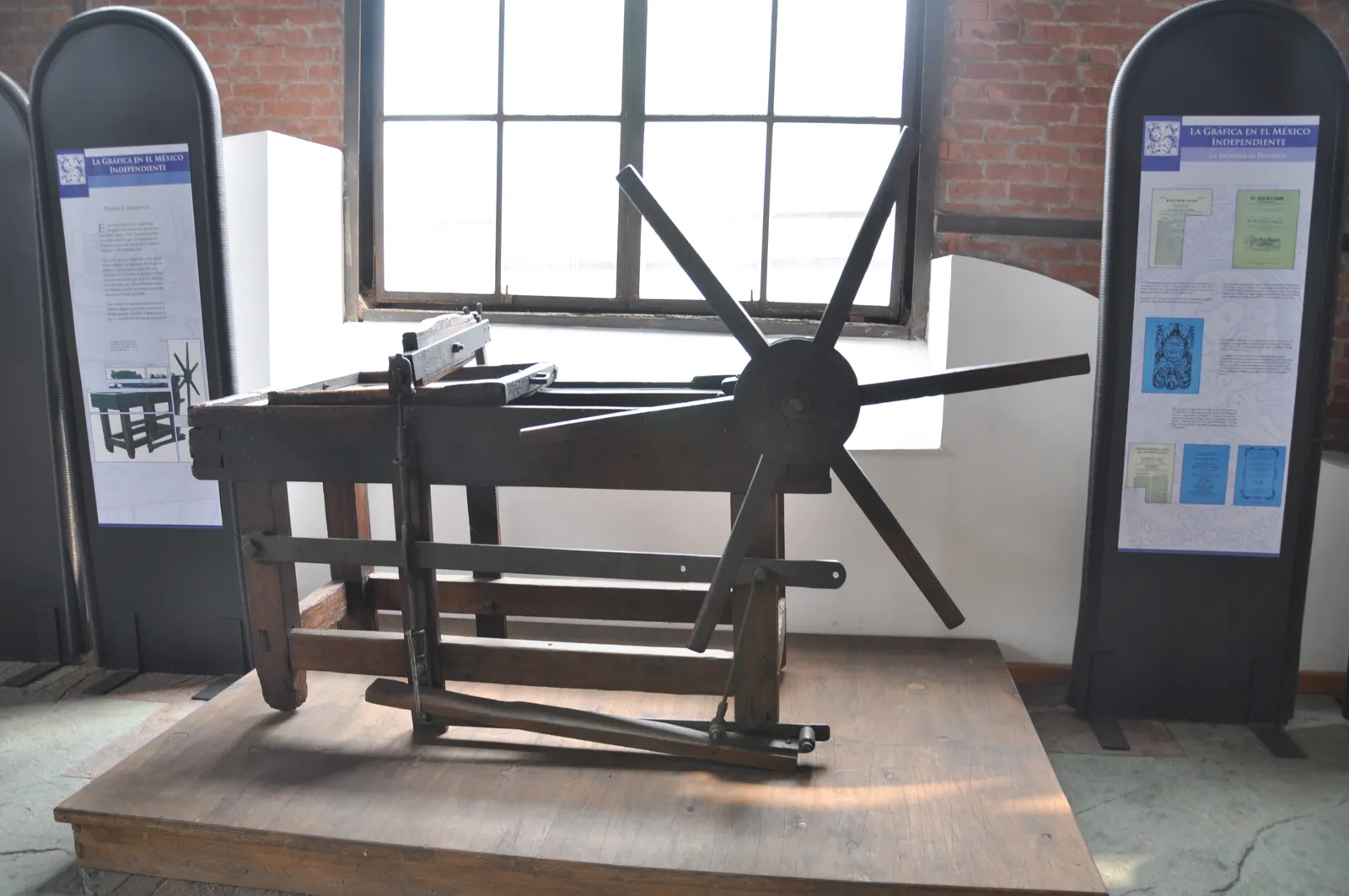
Our mission
To preserve and share the collection that is part of the history of the graphic arts in Mexico, the Americas and the world, so that those who discover it understand its historical importance to humanity over more than seven centuries.About the museum
The museum
A century collecting the printed word
The collection began with Guillermo Echaniz and Julieta Latremouille, booksellers and antiquarians, and grew with Don Armando Birlain Schafler (1925–1996), a figure of the modern graphic industry in Mexico. Today it is in the care of the Fundación Armando Birlain S. para la Cultura y las Artes A.C., chaired by Eduardo Birlain Noris, who preserves it and shows it to everyone who wishes to discover it.
- 1900The Echaniz CollectionGuillermo Echaniz and Julieta Latremouille assemble the collection over seventy years.
- 1977The museum opens in TacubayaDon Armando Birlain acquires the collection and shows it on Calle Mar Arafura, Mexico City.
- 1990sMuseo Juan Pablos, PolancoThe museum moves to Calle Galileo under the name Museo Juan Pablos.
- 2003Museo Cultural de las Artes GráficasThe collection moves into the former tram substation on Calzada de Tlalpan.
- 2007MUNAG in QuerétaroArrives at Pasteur 40, in the Historic Center, under its final name.
Significance
A collection that was never sold
On several occasions, federal authorities, business leaders, investors and various institutions showed interest in buying the collection because of the size and diversity of its holdings. The offers were never accepted: the purpose has always been to exhibit the pieces to the public for their enjoyment, study and appreciation.
Museums across the country have requested collaborations, and the collection has been featured in press reports, television news and interviews with international specialists.
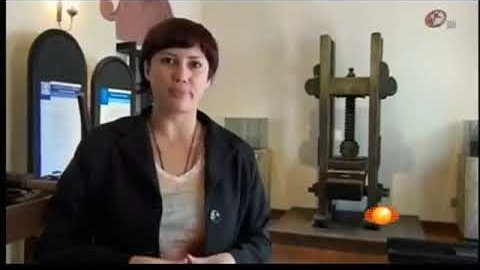
The museum on video