From codex to printed book
History of the book
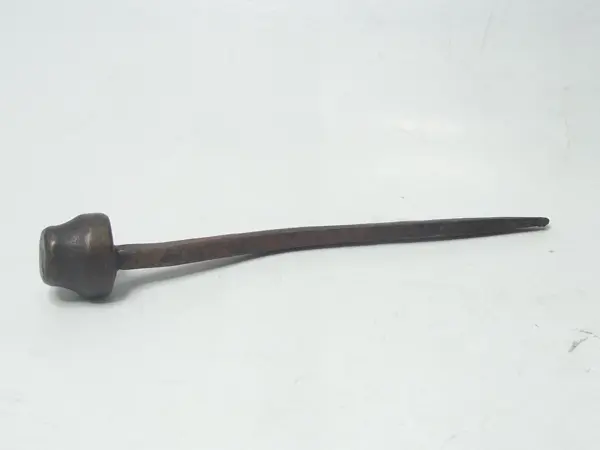
The history of the book in Mexico does not begin with the printing press. Before 1519, Mesoamerican peoples painted codices on amate paper or deerskin, folded like a screen, recording calendars, rituals, genealogies and tribute.
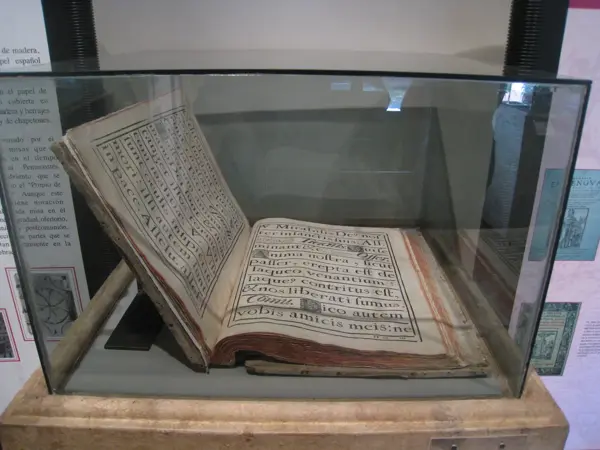
With the arrival of the printing press in 1539, the European book took root in New Spain: first to evangelize, with doctrines and vocabularies in Indigenous languages; later for liturgy, science, government and literature.
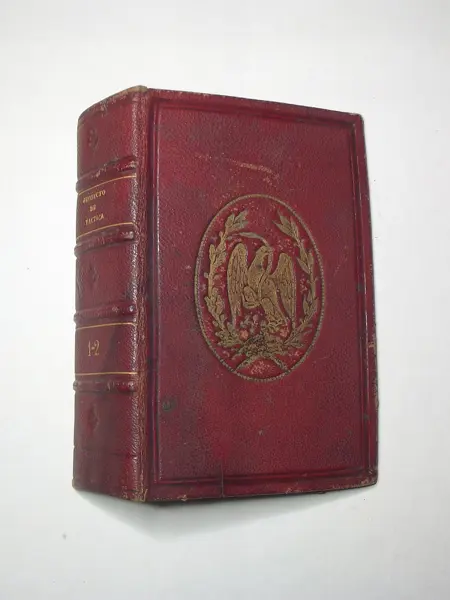
In the 19th century the book became more accessible thanks to industrial paper, mechanical presses and cloth binding. The 20th century brought popular editions and illustrated books.
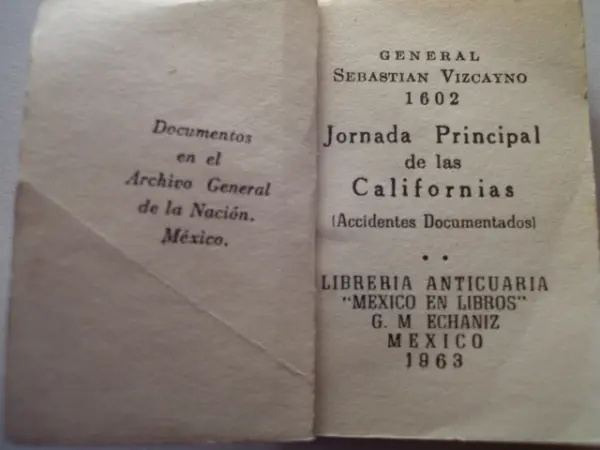
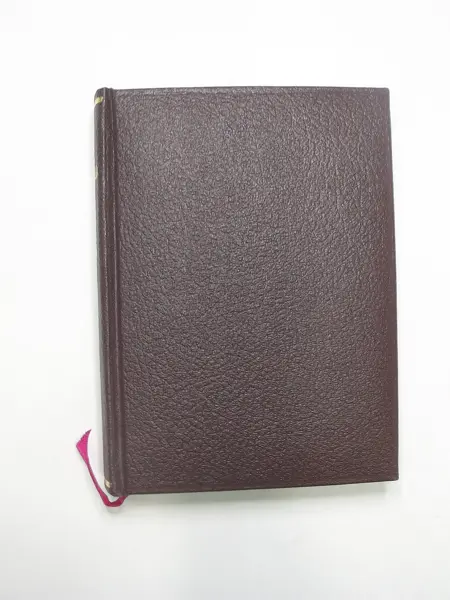
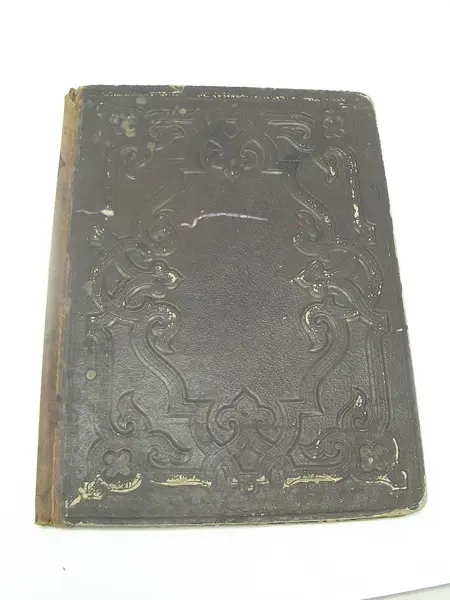
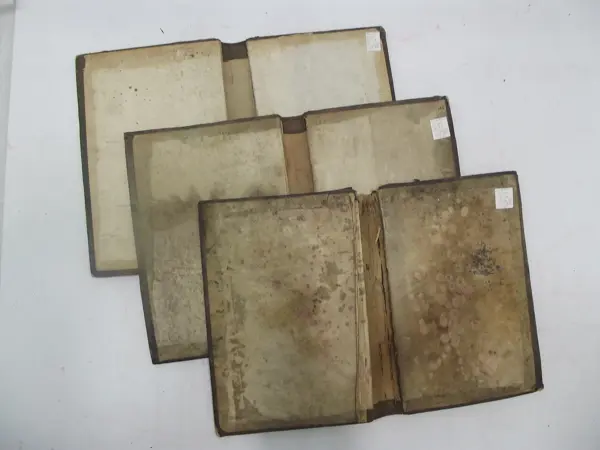
The MUNAG brings together pieces from every one of these stages: codex copies, amate bark beaters, choir books, colonial imprints and bindings.